Disposal and donation rules after removals in South Kensington
Moving day is exhausting enough without staring at a hall full of unwanted furniture, old books, duplicate kitchenware, and the odd mystery box you forgot even existed. In South Kensington, disposal and donation rules after removals can feel like a small puzzle: what should be donated, what needs recycling, what can go in a bin, and what absolutely should not be left on the pavement? The good news is that once you understand the basic process, it becomes far more manageable. This guide walks you through the practical side of sorting, donating, and disposing of items after a move, with a local, realistic view of how people handle it in London flats, terraces, and shared buildings.
You will also find a step-by-step approach, common mistakes to avoid, a clear comparison of disposal options, and a practical checklist you can actually use. If you are planning a bigger move, services such as flat removals, house removals, or furniture pick up can make the post-move clean-up much easier, especially when time is tight and the stairs are unforgiving. Truth be told, most people underestimate the amount of stuff they no longer want. It happens.
Table of Contents
- Why disposal and donation rules matter
- How the process works after a move
- Key benefits and practical advantages
- Who this is for and when it makes sense
- Step-by-step guidance
- Expert tips for better results
- Common mistakes to avoid
- Tools, resources and recommendations
- Law, compliance, standards, and best practice
- Options, methods, and comparison table
- Case study or real-world example
- Practical checklist
- Conclusion
- Frequently asked questions
Why Disposal and donation rules after removals in South Kensington Matters
Post-move clutter is not just a housekeeping issue. In South Kensington, where many homes are in mansion blocks, conversions, or compact flats, leaving items without a plan can quickly create access problems, neighbour complaints, and extra costs. Disposal and donation rules after removals matter because the wrong item in the wrong place can become a nuisance very quickly. Bulky waste left near shared entrances, for example, may block access for residents, cleaners, or building management. And in some cases, it can lead to avoidable charges or awkward conversations you would rather skip.
There is also the practical side. A move already takes focus. Sorting unwanted items properly helps you protect your new space from instant clutter and keeps the old property tidy for handover, inventory checks, or final cleaning. If you are also using professional support like man with van or removal services, a clear disposal plan can save time on the day itself. Fewer last-minute decisions, fewer trips back upstairs, fewer "oh, I forgot that chair" moments. You know the sort.
Expert summary: The best post-removal approach is simple: separate reusable items early, donate anything in fair condition, recycle what your borough accepts, and treat anything hazardous, electrical, or oversized with extra care.
How Disposal and donation rules after removals in South Kensington Works
At a practical level, the process is about sorting items by destination before they become a problem. Some things can be passed on to friends, family, or donation channels. Other items should be recycled. A few items need specialist disposal because of safety, legal, or environmental reasons. The rules are not especially glamorous, but they are very manageable once broken down.
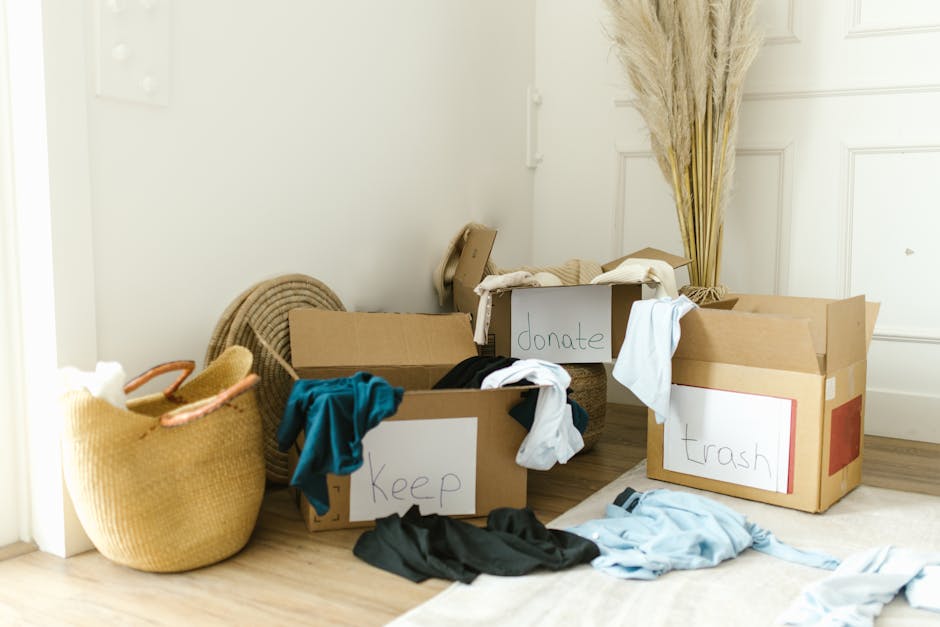
The main question is not "Do I want this?" but "Where should this go next?" A slightly worn dining table might be good enough to donate. A broken lamp may need recycling, but only if its electrical parts are handled correctly. A mattress, old paint, or damaged sofa usually needs a more specific route. In South Kensington, space is often the limiting factor, so many households and businesses prefer to sort items before the removal truck leaves. That way the keep-donate-dispose split is already decided, and nobody is carrying a wardrobe down three flights only to discover it needs another plan.
For larger or mixed loads, moving support from man and van or removal van services can be handy, especially when you need flexibility rather than a huge lorry. For longer relocations or more complex handovers, home moves and packing and unpacking services can reduce the amount of sorting you have to do on the spot.
Three practical categories to use
- Donate: items in clean, usable condition with enough life left in them.
- Recycle: items accepted through appropriate recycling routes, including some metals, cardboard, textiles, and certain electricals.
- Dispose responsibly: broken, contaminated, unsafe, or restricted items that should not be passed on.
That simple framework gets most people 80% of the way there. The remaining 20% is where judgement matters.
Key Benefits and Practical Advantages
Doing this properly gives you more than a tidy room. It improves the whole move. First, there is the space benefit. South Kensington properties can be elegant, yes, but they are not always generous with storage. Clearing unwanted items early helps the new place feel calmer from day one. There is a psychological lift to that, honestly. It is easier to settle when you are not stepping over three spare bedside tables and a box of tangled cables.
Second, it can reduce costs. If you are paying for removal support, you do not want to waste it transporting rubbish or items nobody wants. A smaller, cleaner load is often easier to organise. Services like pricing and quotes can help you plan the job more sensibly when you know what is being moved, donated, or disposed of. Third, donating in good condition is a useful way to give usable belongings a second life. That matters in a high-turnover area where people move frequently, especially students, renters, and professionals who relocate within London.
There is a sustainability gain too. Using the right disposal route helps reduce unnecessary waste. If you want a broader view of recycling-focused moving habits, recycling and sustainability is a useful complement to this article. And if you are trying to coordinate everything quickly, services such as same day removals can help when timing is a bit messy and the lease is not waiting around for anyone.
Who This Is For and When It Makes Sense
This topic matters to far more people than you might think. It is not just for huge family houses. In South Kensington, disposal and donation decisions often come up for flat tenants, landlords, homeowners, office managers, and anyone in between. A student moving out of a furnished room will usually have a different set of decisions from a family leaving a larger home, but the principle is the same: sort early, act responsibly, and do not leave the aftermath until the last minute.
It also makes sense if you are downsizing, combining households, or clearing a property after a long tenancy. These are the moments when duplicate furniture, old appliances, and "we might need that one day" items suddenly lose their charm. If you are handling an office move, the same logic applies to desks, monitors, chairs, archives, and packaging. In those cases, office removals and commercial moves often need a slightly more structured disposal plan because business waste and confidential materials demand extra care.
It is also a sensible approach if you are working with a narrow moving window. South Kensington roads, access points, and loading arrangements can make timing tight. A clear decision on disposal and donations before moving day can save a surprising amount of stress. Why make the team wait while you debate the fate of an old sideboard? Better to decide the day before.
Step-by-Step Guidance
Here is a practical way to handle disposal and donation rules after removals in South Kensington without turning the process into a weekend-long drama.
- Walk through every room and sort by destination. Use three broad groups: keep, donate, dispose. Be decisive. If something has not been used in years and you would not buy it again, that is a sign.
- Check condition honestly. Donations should be clean, safe, complete, and usable. A chair with a wobbly leg or a stained mattress is not really a donation item, whatever your sentimental brain says at 9 p.m.
- Separate specialist items. Electrical items, batteries, paint, sharp objects, fridges, mattresses, and anything heavy or awkward may need a specific route.
- Bundle recyclable materials. Flatten cardboard, keep textiles dry, and group similar materials where possible. It makes the post-move tidy-up much simpler.
- Schedule collection or transport. If you are using a removal team, ask what can be taken and what needs separate handling. A service such as furniture removals may help with larger pieces that are being moved on or collected for rehoming.
- Document anything valuable. If you are donating furniture or equipment, take quick photos before it leaves. Not because you expect drama, but because it is reassuring.
- Leave the property clean and clear. The final sweep matters. Check cupboards, behind radiators, utility rooms, and those odd corners where cables love to vanish.
If your move involves heavier or awkward pieces, piano removals is a reminder that specialist handling is sometimes worth it. Not every item should be dragged out by enthusiasm alone. The elbow joints will thank you.
Expert Tips for Better Results
After enough moves, a few patterns become obvious. The biggest one is that people decide too late. Once the van is booked and the boxes are stacked in the hallway, donation sorting becomes much harder. The better move is to do a first pass at least a few days in advance. In our experience, even one early evening spent sorting can remove most of the pressure.
Another useful tip is to use a room-by-room method rather than a pile-by-pile method. Piles feel fast, but they hide problems. A room check makes it easier to spot duplicates, unsafe items, and things that could be donated together. It also helps if you are using packing and boxes because you can label donation, recycling, and disposal items separately. That sounds small. It is not small on moving day.
Be realistic about condition. If an item would be embarrassing to pass to a friend, it probably should not be donated. On the other hand, do not throw away useful things just because they are not new. Slight wear is fine for many donation routes. The goal is not perfection; it is suitability. A little scratch on a table is one thing. A broken drawer or missing screws is another.
Finally, keep a "decision box" for the items you are unsure about. Revisit it once the main sorting is done. That box almost always gets smaller. Funny how that works.
Common Mistakes to Avoid
The first mistake is leaving all decisions until the removal day. That leads to rushed calls, blocked corridors, and a lot of sighing. Another common error is assuming everything can be donated. Charities and reuse channels usually need items to be safe, clean, and complete, not just "basically okay." A chipped mug set is one thing; a broken cabinet with loose panels is another.
People also misjudge bulky items. Sofas, wardrobes, mattresses, and appliances often need more than a basic bin-side solution. If you are moving from a flat, the route out can be just as important as the item itself. That is where flat removals and careful planning come in handy. South Kensington stairs and shared entrances do not forgive improvisation.
Another mistake is mixing hazardous waste into general rubbish. Old paint, chemicals, batteries, and broken electronics should not be treated casually. Even if they seem harmless, they can create problems for handlers and waste systems. It is also easy to forget about items stored in the loft, under the bed, or in built-in cupboards. Those spaces are sneaky. They really are.
Lastly, do not assume your building rules are the same as your neighbour's. Some blocks have strict collection times, concierge arrangements, or loading restrictions. If in doubt, check your lease, building guidance, or management instructions before setting things down anywhere.
Tools, Resources and Recommendations
You do not need a pile of complicated tools, but a few simple things make the job much easier. Strong bin bags, labels, marker pens, cardboard boxes, tape, and gloves are enough for most homes. A mobile phone camera is also useful for recording what is being donated or disposed of, especially if you are handling a mixed property clearance.
For larger or more awkward loads, it helps to use removal support that can manage transport and careful lifting. Depending on your situation, man with a van, removal truck hire, or moving truck solutions may be more suitable than trying to force everything into one small vehicle. And if you need somewhere temporary while deciding what stays and what goes, storage can buy you breathing room without making rushed disposal decisions.
For people moving out of smaller properties or shared accommodation, student removals often involve exactly this sort of quick sorting: what goes home, what gets donated, what gets binned, and what needs to stay in storage for a while. The same applies to people moving between rentals with tight deadlines. Sometimes the smartest tool is not a gadget. It is simply a clear label on a box.
Law, Compliance, Standards, or Best Practice
Without getting bogged down in legal jargon, there are a few broad best-practice principles worth following in the UK. Waste should be handled responsibly, not dumped informally. Donated items should be safe and suitable for reuse. Electrical and specialist waste should be treated with extra care. And if you are disposing of anything that could be confidential, hazardous, or difficult to transport, it is better to slow down and do it properly than to improvise.
In practice, this means you should avoid leaving bulky waste in communal areas unless you have a proper arrangement for its collection. It also means checking whether building management or your landlord has specific procedures for clearances. For businesses, there may be extra requirements around data protection, equipment disposal, and document destruction. That is where an organised approach matters more than a quick one.
If you want your overall moving process to follow sensible standards, it helps to choose providers with clear service terms and good safety practices. Pages such as terms and conditions, health and safety policy, and insurance and safety are useful reminders that professional handling is about more than lifting boxes. It is about reducing risk for everyone involved. No drama, just sensible precautions.
Where you are uncertain, treat the item more carefully than you think you need to. That is usually the right instinct.
Options, Methods, or Comparison Table
Different items call for different methods. Here is a simple comparison to help you choose the most practical route after a removal.
| Option | Best for | Pros | Watch-outs |
|---|---|---|---|
| Donate | Clean, usable furniture, household goods, books, and textiles | Extends item life, reduces waste, feels efficient | Items must be safe, complete, and in acceptable condition |
| Recycle | Cardboard, some metals, certain electrical items, packaging, textiles | Good environmental outcome, tidy clear-out | Not all materials are accepted in the same way |
| Dispose responsibly | Broken, hazardous, contaminated, or unusable items | Removes risk and clutter | May require specialist handling or separate collection |
| Storage first | Items you are not ready to decide on immediately | Buys time, avoids rushed mistakes | Can delay the final clear-out if overused |
There is no single perfect method. The best choice is usually a mix. A few items donated, a few recycled, and a handful disposed of properly. That is normal. In fact, it is probably the most realistic way to handle a move in South Kensington.
Case Study or Real-World Example
Consider a typical South Kensington flat move: one bedroom, a small study, and a living room that somehow contains three chairs, two lamps, and a bookshelf you stopped liking years ago. The occupier has limited time between tenancy end and handover. On the first walk-through, they separate items into three groups. Usable chair and lamp? Donate. Flattened boxes and packing paper? Recycle. Worn rug and damaged kettle? Dispose responsibly.
They then keep one box aside for "not sure yet" items, which includes chargers, spare kitchen utensils, and a frame that might still be useful in another room. The main collection goes out through a removals plan, while the donation pile is arranged first so it can be moved away early. The result is simple: less clutter, no last-minute panic, and a cleaner final inspection. Nothing magical. Just good sequencing.
The nice part is that the whole move feels calmer. The hallway is not jammed. The lift, if there is one, is not fighting with extra furniture. And by the end of the day, the empty room looks strangely bright. A bit echoey, yes, but also finished.
Practical Checklist
Use this checklist before and after your move to stay on top of disposal and donation rules after removals in South Kensington.
- Sort every room into keep, donate, recycle, or dispose.
- Check all donated items for safety, cleanliness, and completeness.
- Separate bulky furniture from smaller household items.
- Put electricals, batteries, paint, and chemicals into a specialist pile.
- Flatten cardboard and keep recyclable packaging dry.
- Label boxes clearly so nothing gets mixed up by accident.
- Confirm building rules for collections, access, and waste placement.
- Arrange transport for donation items before the final moving day.
- Take photos of anything valuable you are giving away or storing.
- Do a final sweep of cupboards, storage spaces, and behind furniture.
- Leave shared areas clean and clear.
- Keep your key handover or end-of-tenancy clean-up on schedule.
If you are still juggling box labels and furniture decisions, a little structure goes a long way. It really does.
Get a free quote today and see how much you can save.
Conclusion
Disposal and donation rules after removals in South Kensington are mostly about making sensible decisions early. Once you break the job into donation, recycling, disposal, and storage, the process becomes much easier to manage. You reduce stress, avoid waste, and keep the move itself focused on what matters: getting settled properly.
The best outcomes usually come from a calm, practical plan rather than a rushed one. Sort before the van arrives if you can. Be honest about condition. Use specialist help for awkward or bulky items. And keep the final handover clean and simple. That is the part people remember, in a good way.
If you are moving soon, give yourself a bit of breathing room. Future-you, standing in a tidy room with one kettle, one chair, and a clear floor, will be very grateful.
Frequently Asked Questions
What should I donate after a move in South Kensington?
Donate items that are clean, safe, and still useful, such as good-condition furniture, books, kitchenware, mirrors, and textiles. If something is broken, stained, incomplete, or unsafe, it is usually not suitable for donation.
Can removal teams take unwanted items away?
Often, yes, but it depends on the service and the item type. Larger pieces may be handled through services like furniture removals or furniture pick up, while some items may need separate disposal or recycling arrangements.
What should I do with old furniture after a removal?
Check whether it is reusable first. If it is, donate it. If it is damaged beyond reasonable use, arrange responsible disposal. Very large or awkward items may need specialist handling, especially in flats with narrow access.
Are electrical items allowed in general rubbish?
Usually not a good idea. Electrical items should be handled through the correct recycling or disposal route because of safety and environmental concerns. If in doubt, keep them separate from normal waste.
How do I decide whether something is donation-worthy?
Ask whether you would feel comfortable giving it to a friend. If the answer is yes, it may be donation-worthy. If it looks worn out, broken, or incomplete, it should probably be recycled or disposed of instead.
What items are most often forgotten after removals?
People often forget chargers, cables, cleaning products, small kitchen items, documents, items in lofts or cupboards, and things stored behind furniture. A final room-by-room check is the easiest way to catch them.
Is storage useful if I cannot decide right away?
Yes, temporary storage can be a sensible middle step if you are unsure about items and do not want to rush. It gives you time to decide carefully instead of dumping things you might later need.
Do students in South Kensington need a different approach?
The principles are the same, but the timeline is often tighter and the items are usually smaller. Student removals often benefit from quick sorting, clear labels, and decisions made before the final day.
How can I avoid waste when moving out of a flat?
Sort early, donate usable items, flatten recyclable packaging, and avoid mixing everything into one pile. If you are in a smaller property, flat removals planning can save a lot of last-minute chaos.
What if my building has strict rules about rubbish or bulky items?
Follow the building instructions first. Many blocks have specific collection windows, access rules, or designated areas. It is better to check than to assume, because communal spaces can get awkward fast.
Can I put everything into one van and sort it later?
You can, but it is rarely the best choice. Sorting later usually creates more work and more chance of accidental waste. A pre-sorted approach is cleaner, quicker, and far less irritating on the day.
What is the best way to keep the move organised overall?
Use one plan for keeping, one for donating, one for recycling, and one for disposal. If you are using professional support, services such as removal services or home moves can help keep the process controlled from start to finish.