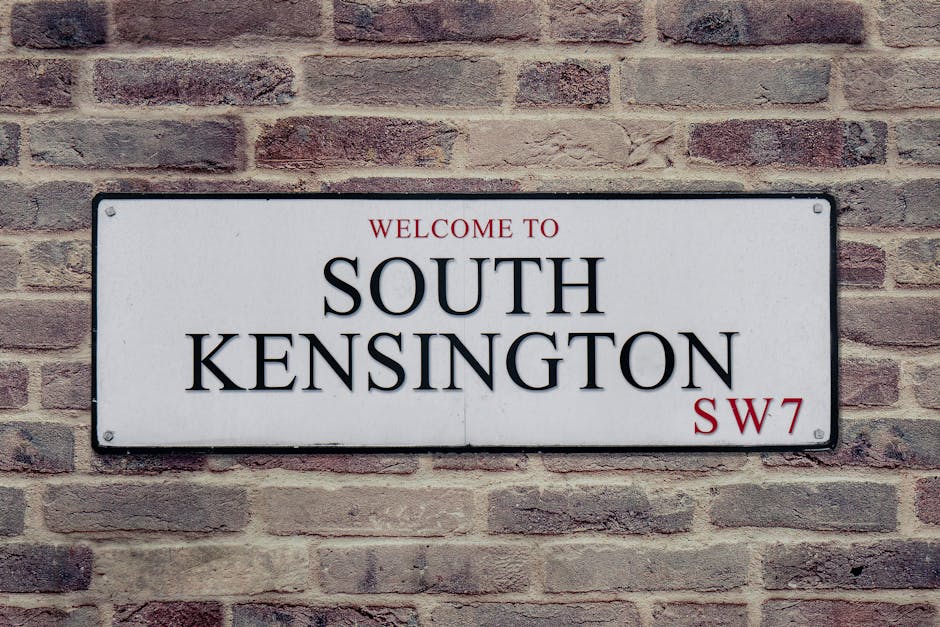
Cheap removal van options South Kensington without hidden fees

Finding cheap removal van options South Kensington without hidden fees sounds straightforward until the quote arrives and suddenly the "cheap" part does a disappearing act. You know the sort of thing: a low headline price, then extra charges for stairs, waiting time, fuel, parking, bulky items, weekend slots, or a van that somehow becomes "larger than expected" after you've booked. To be fair, that is exactly what most people are trying to avoid.
This guide is here to help you compare removal van options properly, understand what a fair quote should include, and spot the difference between genuinely affordable and suspiciously cheap. If you are moving a flat, student room, small office, or a few large items in South Kensington, the right approach can save money and a lot of stress. And yes, it can still be simple.
Below, you'll find local considerations, practical booking advice, a comparison of common options, and a clear checklist for keeping costs under control without getting caught out by add-ons.
Why cheap removal van options South Kensington without hidden fees matters
South Kensington is one of those areas where moving looks easy on paper and then becomes a bit more fiddly in real life. Streets can be busy, parking can be tight, and properties often sit in period buildings with narrow stairs, awkward turns, or restricted access. That matters because a cheap quote is only useful if it stays cheap once the job begins.
Hidden fees are not just annoying; they distort the whole decision. You compare two removal van services, assume the lower one is better, and only discover later that one company charges extra for waiting, congestion, extra helpers, weekend collection, or carrying items further than expected. Suddenly the bargain looks less like a bargain. Truth be told, a transparent quote is worth more than a low headline price.
Local moves also bring practical complications that people often underestimate. A van may need to park a little away from the entrance. You may need help with heavy furniture, fragile items, or timed access. If you are moving from a mansion flat, basement flat, or a top-floor apartment, those details matter a lot. An honest removal company will ask about them upfront and build them into the quote rather than springing them on you later.
That transparency helps with planning too. Once you know what is included, you can budget properly, schedule the move with less panic, and choose the level of support you actually need. Not too little, not too much. Just right, ideally.
How cheap removal van options South Kensington without hidden fees works
At its simplest, a removal van booking is a transport service with optional labour support. You tell the provider what needs moving, from where to where, what access is like, and when you need it done. A decent company then estimates the van size, the time needed, and whether you need one driver or a team.
The "without hidden fees" part means the quote should make the cost structure clear before you book. That usually includes the basics such as vehicle, driver, mileage or local travel, loading time, unloading time, and any agreed extras. If there are likely additional costs, they should be explained in plain English, not buried in fine print or mentioned only after the first sock is already in the van.
In practice, a transparent quote often follows this pattern:
- You submit move details, ideally with photos or a short inventory.
- The company checks access, parking, staircases, lifts, and item sizes.
- You receive a written quote with clear inclusions and exclusions.
- You confirm the move time, address details, and any special requirements.
- On moving day, the team arrives with the agreed van and support level.
That sounds basic, but the clarity is the point. A proper quote is a planning tool, not just a number. If a provider is vague about what the price covers, you are not getting a cheap move; you are getting a guessing game. And nobody needs that on moving day.
For many local customers, the best-value choice is often a man with a van or a small removal van for shorter moves, especially where access is limited and the load is manageable. For larger homes or office moves, a fuller removal services approach may actually work out better once labour and time are considered.
Key benefits and practical advantages
The biggest benefit is obvious: you keep more control over the final bill. But there are other advantages too, and they matter just as much in a place like South Kensington where timing, access, and parking can shape the whole job.
- Clear budgeting: You can plan around a real figure rather than a teaser price.
- Less stress: There is less last-minute haggling or awkward talk about extras.
- Better comparison: You can compare like for like, which is where many people go wrong.
- Right-sized service: You pay for the van and help you actually need, not a one-size-fits-all package.
- Fewer delays: Clear instructions reduce confusion on moving day.
There is also a subtle but important benefit: confidence. When you know the cost structure is honest, you can focus on the move itself instead of watching the clock and wondering what every extra minute might cost. That alone can make the whole day feel lighter.
If you are moving a few items from a flat, a student room, or a small office, transparent pricing helps you avoid overbuying. For example, you may not need a full removal crew if a smaller vehicle and one experienced mover are enough. On the other hand, if you have several bulky pieces, it can be false economy to underbook and then pay for extra time later. Cheap should still be practical. Otherwise it is just a false start.
Who this is for and when it makes sense
This type of service suits people who want a cost-conscious move without sacrificing clarity or reliability. That includes a lot of everyday situations, not just full house moves.
- Tenants moving in or out of flats in and around South Kensington
- Students shifting between term-time accommodation and storage
- Homeowners moving a smaller household or selected rooms
- People buying second-hand furniture or needing furniture collection
- Small businesses relocating equipment, stock, or office furniture
- Anyone who needs a straightforward local move with a firm price structure
It makes particular sense when your move is local, your inventory is not enormous, and you want the convenience of vehicle support without paying for a service level you will not use. A lot of people assume they need a big traditional removals package. Sometimes they do. But sometimes a well-planned van booking is the smarter, cheaper move.
It is also useful if you are comparing a few service styles and want to understand the real difference between a vehicle-only option, a driver-assisted move, and a full packing-and-move package. The cheapest option is not always the best one, but the best one is often more affordable than people think. Funny how that works.
Step-by-step guidance
If you want the best chance of getting a fair, all-in price, use a simple process. It saves time, and it tends to flush out hidden costs early.
1. Make a realistic inventory
List the items you need moved, including anything awkward: wardrobes, sofas, mirrors, bikes, plants, desks, or boxes that are heavier than they look. If you can, group items by room. That helps the provider estimate van size and labour needs properly. Understating the load is one of the quickest ways to create extra charges later.
2. Check access at both addresses
Look at stairs, lift availability, width of hallways, door clearances, and whether parking is likely to be straightforward. In South Kensington, this can make a bigger difference than people expect. A move from a ground-floor flat with curbside access is a different job from a third-floor walk-up with a narrow stairwell. The van may be the same. The effort is not.
3. Ask what the quote includes
Do not just ask "How much?" Ask what the price covers. Does it include fuel? Waiting time? Loading and unloading? Disassembly? Protection for furniture? Weekend rates? A proper answer should be clear enough that you could repeat it to someone else without translation.
4. Ask about likely extras before booking
Some extras are legitimate, but they should be disclosed upfront. Ask about long carries, parking complications, additional stops, or large-item handling. If a company is transparent, it will tell you how those are priced. If it gets vague, that is a small warning light.
5. Get the quote in writing
This is a simple one, but it matters. A written quote protects both sides and gives you a clean reference point if something changes. It also helps you compare providers later without relying on memory, which is never as reliable as we like to pretend.
6. Confirm the moving-day plan
Before the day arrives, confirm arrival time, contact details, access notes, and any building restrictions. If your property management team needs notice, sort that early. A five-minute confirmation can prevent a one-hour delay. That is not an exaggeration.
Expert tips for better results
Here is where the savings often live. Not in a single magic discount, but in the way you prepare and compare.
Book the right size of service. Too small and the move gets slower. Too large and you pay for capacity you will never use. Ask the provider to explain why a certain van size is recommended, especially if you are unsure.
Offer photos, not just descriptions. A few clear phone photos of rooms, furniture, staircases, and parking access can improve quote accuracy. It is much easier than trying to explain a tricky hallway over the phone.
Be honest about timing pressure. If you have a lift booking, a key handover, or a same-day deadline, say so. A realistic schedule is usually cheaper than a rushed one. Same-day panic has a way of inviting extra costs. Nobody enjoys that feeling, least of all the person carrying the sofa.
Prepare items before the van arrives. Disassemble what you can, pack boxes fully, and keep pathways clear. You will notice the difference immediately. Less handling time often means a smoother, cheaper job.
Use labelled boxes. This sounds small, but it helps the team load efficiently and place things in the right room. Efficiency is money in this context. Plain and simple.
Ask about insurance and safety practices. Cheap should never mean careless. A professional mover should be able to explain how they protect items, manage heavy lifting, and handle damage claims if needed.
For some jobs, it is worth checking whether a company also offers packing support or storage. That can simplify the chain of events if you are between homes or need temporary space. The aim is not to buy every extra; the aim is to buy the right ones.
Common mistakes to avoid
Most costly moving problems are preventable. The mistake usually happens before anyone even opens the van doors.
- Choosing purely on the lowest headline price. If one quote is far below the others, ask why.
- Ignoring access details. Stairs, parking, and narrow corridors can change the labour involved.
- Not asking about waiting time. Delays happen. The key is knowing how they are billed.
- Leaving packing until the last minute. Half-packed boxes are awkward, slower, and sometimes unsafe.
- Failing to mention bulky or fragile items. Hidden items create hidden costs. It's a pattern.
- Assuming everything is included by default. Never assume. Ask. Then ask once more if needed.
- Not checking payment terms. Know when payment is due and what methods are accepted.
Another common issue is overestimating how much you can do yourself on moving day. A little DIY helps. Too much can slow the whole operation and make the job more expensive, especially if the van and team are waiting while you are still boxing up a kitchen. We have all seen that scene, and it is never fun.
Tools, resources and recommendations
You do not need fancy software to organise a move well. A few basic tools and habits are enough.
- Phone photos: Useful for quoting and confirming access conditions.
- Simple inventory list: A notes app or spreadsheet works perfectly.
- Labels and marker pens: Help keep boxes organised and reduce unloading confusion.
- Measuring tape: Handy for checking furniture fits through doors and stair turns.
- Basic packing supplies: Boxes, tape, bubble wrap, and blankets for protection.
On the service side, it helps to review pages that explain pricing and what is included before you book. A provider's pricing and quotes page should make the quote process clearer, while an insurance and safety page should help you understand how items are protected in transit.
If you are still deciding between a simple van booking and a broader move, browse the site's main removals information as well as specific services such as home moves, flat removals, or student removals. That can help you match the service to the size and shape of your move instead of guessing.
For more detail on fairness and clarity in quotes, the site's own guide on avoiding extra charges can also be useful: avoid hidden costs in South Kensington removals quotes.
Law, compliance, standards and best practice
Moving services in the UK should operate with sensible business practices, clear terms, and appropriate care for people and property. While every move is different, there are a few norms worth expecting.
First, any quoted price should be clear enough to understand before you commit. If terms apply, they should be accessible and not buried beyond reason. Second, safety matters. Manual handling, vehicle loading, and access planning should be done with care so that people and property are not put at unnecessary risk. Third, insurance is worth asking about. You do not need a lecture on policy wording, but you do need to know what protection is available if something goes wrong.
There is also a practical side to compliance in South Kensington specifically. Parking, loading, and local access arrangements can affect the move, so it is wise to check timing and building rules early. If you are unsure about any local restrictions, do not leave it until the moving van is outside and everyone is staring at the kerb. That is not a great moment for discovery.
Good providers also tend to have clear complaints handling, privacy information, payment terms, and safety policies. Those pages are not just formalities; they tell you how the company works day to day. If you want to review the finer details, pages such as terms and conditions, complaints procedure, and health and safety policy can be a useful signal of how seriously a provider takes transparency.
Options, methods and comparison table
Different move types suit different budgets. Here is a simple comparison to help you decide.
| Option | Best for | Pros | Watch-outs |
|---|---|---|---|
| Man with a van | Small to medium local moves | Usually flexible, cost-conscious, good for short notice | May not suit very large loads or complex access |
| Removal van with driver and helper | Flats, partial house moves, bulky furniture | More lifting support, quicker loading, better value than doing it alone | Quote should clarify labour time and extra stops |
| Full removals team | Larger homes or more delicate moves | Less effort on your side, better for bigger inventories | Higher cost if you only need transport |
| Same-day service | Urgent moves, sudden changes, missed deadlines | Fast response, practical when plans shift | Availability and timing can affect price |
For many South Kensington moves, the sweet spot is the middle row: enough help to keep the job efficient, but not so much service that you pay for unnecessary extras. That balance is the whole game, really.
If your move is more specialised, such as office equipment or a larger property clearance, you may want to compare services like office removals, commercial moves, or furniture removals. Those services can be more efficient for certain jobs than a simple transport-only booking.
Case study or real-world example
Consider a typical South Kensington flat move. The customer has a sofa, a bed frame, a desk, four medium boxes, two fragile lamps, and a couple of awkward side tables. The flat is on the second floor, there is a narrow staircase, and street parking is limited for part of the day. Nothing extreme, but not exactly effortless either.
The first quote is low, but vague. It mentions a van and driver, then lists extra charges for loading time beyond a short allowance, stairs, and waiting. The second quote is slightly higher but includes a clear window for arrival, loading support, and a full explanation of possible extras. The customer chooses the second option because the real cost is easier to predict. Sensible, if not glamorous.
On moving day, the team arrives with the right-sized vehicle, has the building access details in advance, and gets everything out in one run. There are no awkward surprises. The customer pays roughly what they expected because the quote was honest from the start. That is the difference between cheap and cheap-looking.
In our experience, this is where people feel the biggest relief. Not because the move was magical, but because nobody had to argue about a surprise charge in the hallway while one person held a mattress and another checked a phone. Ordinary calm. Very underrated.
Practical checklist
Use this checklist before you confirm your booking.
- Have I listed every item that needs moving?
- Have I checked access at both addresses?
- Do I know whether parking is straightforward?
- Have I asked what the quoted price includes?
- Have I asked about likely extras such as stairs, waiting, or additional stops?
- Do I have the quote in writing?
- Have I confirmed the date, time, and contact details?
- Have I packed and labelled boxes clearly?
- Have I protected fragile items properly?
- Do I understand the payment terms before moving day?
- Have I reviewed the provider's safety and insurance information?
If you can tick most of those boxes, you are in good shape. If not, pause and sort the gaps before booking. A little patience here usually saves money later.
Conclusion
The best cheap removal van options in South Kensington are not the ones with the lowest headline number. They are the ones that are clear, fair, and realistic from the start. That means a proper inventory, honest access details, written pricing, and a provider that explains what is included without making you decode the small print.
When you compare on value rather than price alone, you are far more likely to avoid hidden fees and end up with a move that feels manageable. That is especially true in South Kensington, where access, parking, and property layouts can influence the job more than people expect. A clear quote is not just a nicer experience. It is often the cheapest one in the end.
If you want the simplest next step, start with your inventory and request a transparent quote based on the actual move, not a rough guess.
Get a free quote today and see how much you can save.
Frequently Asked Questions
What counts as a hidden fee in a removal van quote?
A hidden fee is any charge not made clear before you book, such as added costs for stairs, waiting, fuel, parking difficulty, extra labour, or a larger van than expected. The key issue is not whether a fee exists, but whether you knew about it upfront.
How do I know if a cheap quote is genuine?
A genuine cheap quote is detailed, written, and easy to understand. It should explain what is included and what might cost extra. If the price is very low but the wording is vague, ask follow-up questions before committing.
Is a man with a van suitable for South Kensington moves?
Yes, often it is. For smaller flats, student moves, or a few large items, a man with a van can be a practical and affordable option. It is especially useful when you do not need a full removals team.
Why do South Kensington moves sometimes cost more?
Local access can be more complex, with parking limits, narrow streets, stairs, and property layouts that make loading slower. That does not mean every move is expensive, but it does mean accurate quoting matters more than usual.
Should I choose the cheapest van or the one with the clearest quote?
Usually the clearest quote. A slightly higher price can still be the cheaper choice if it includes the right labour, avoids delays, and prevents surprise charges later. The real cost matters more than the headline figure.
What should I send when asking for a quote?
Send your addresses, preferred dates, a full inventory, access details, and photos if possible. The more accurate the information, the more likely the quote will reflect the real job rather than an optimistic estimate.
Can I save money by packing everything myself?
Often yes, as long as you pack properly and keep everything ready before the van arrives. Poor packing can slow things down, though, so saving money should not mean creating extra work for the crew on the day.
Are weekend removals more expensive?
They can be, depending on availability and demand. That is not unusual. If you need a weekend slot, ask for the full price early so you can compare it fairly with weekday options.
Do I need insurance for a small move?
You should at least understand what the provider's insurance covers. Even for small moves, it is sensible to know how items are protected and what the process is if something is damaged.
What is the best way to avoid moving-day delays?
Prepare well in advance, confirm access details, have boxes packed and labelled, and make sure the provider knows about stairs, parking, and any special items. Most delays are avoidable with a bit of planning.
Can I use a removal van for furniture collection only?
Yes, many people do. If you are collecting a sofa, table, or other bulky item, a removal van can be a very practical option. Just make sure the provider knows the item size and access conditions before they arrive.
Where can I check more service details before booking?
Start with the provider's main service pages and pricing information, then review the terms, safety, and insurance pages if you want more clarity. A transparent website usually makes the booking decision much easier.