Gloucester Road removal van tips for museum moves
Posted on 07/05/2026
Moving a museum is not a normal removal job. There are fragile objects, awkward access points, narrow windows for loading, and usually a lot more people involved than anyone first expects. If you are planning a move near Gloucester Road, the challenge is not just getting a removal van to the right place; it is making sure every crate, artwork, display item, archive box, and piece of specialist equipment arrives safely and on time.
That is exactly why Gloucester Road removal van tips for museum moves matter. Around South Kensington and the wider museum quarter, the streets are busy, parking can be tight, and building access can change the whole plan in a flash. A good move starts long before the van turns up. In this guide, you will find practical advice on vehicle choice, packing, route planning, handling delicate items, compliance, and the little details that save time and stress. Truth be told, those little details are often what make the difference between a smooth move and a very long day.
If you want broader context on local moving support, you may also find the removal services in South Kensington overview helpful, especially if your museum move sits alongside office, storage, or specialist transport needs.
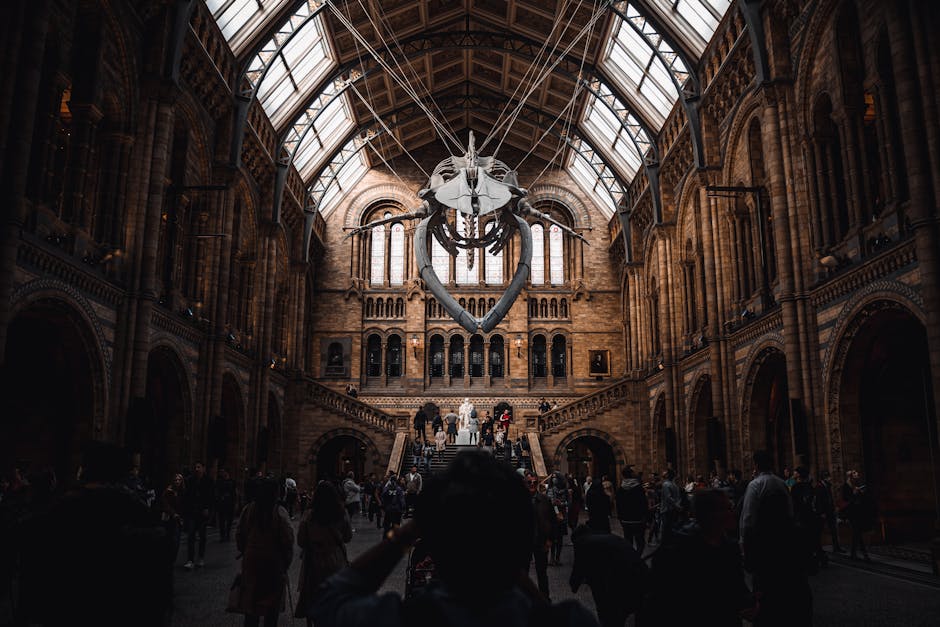
Why Gloucester Road removal van tips for museum moves Matters
Museum moves are about more than transport. They are about safeguarding value, provenance, condition, and continuity. A single box of archive material may not be heavy, but it can still be irreplaceable. A display cabinet might be bulky but manageable, while a framed artwork or mounted specimen can be vulnerable to vibration, humidity changes, and careless handling. One bad lift, one rushed corner, one van that is too small, and suddenly the whole schedule is wobbling.
Gloucester Road adds its own pressure. It sits in a part of London where traffic can be steady, kerb space is often limited, and access timing matters. If you are moving items from a gallery, museum store, learning space, or exhibition office, the route and van choice matter as much as the packing. You are not just booking transport; you are planning a controlled movement of assets. That distinction sounds simple, but it changes everything.
There is also the people side. Museum moves often involve curators, registrars, conservators, facilities teams, and external contractors all trying to keep the same day on track. Without a clear plan, people start answering the wrong questions at the wrong time. Where should the van wait? Which crates go first? Who signs off condition checks? A good removal van plan brings order to that mess, and lets face it, museum moves can get messy very quickly.
For readers exploring the wider local area and how people live and work here, the local views and advice on living in Kensington article gives useful background on the area's pace, streets, and everyday practicalities.
How Gloucester Road removal van tips for museum moves Works
The process usually starts with an inventory. Not a rough list. A proper inventory. That means item descriptions, dimensions, current condition notes, handling instructions, and whether anything needs to be moved upright, kept flat, or protected from temperature swings. If an item needs two people and a tail lift, say so early. If it needs a specialist crate, even better.
From there, the removal van is selected based on access and load type. For a museum move, the key is not just capacity. It is suitability. A smaller van may be easier to position near Gloucester Road, but it might need multiple trips. A larger van may reduce the number of journeys, but it can be harder to manoeuvre and park. The best choice depends on the building, the loading bay situation, and the nature of the cargo.
In practice, the job usually runs in stages:
- pre-move survey or call to assess access and volume
- packing and labelling by zone, room, or collection group
- preparation of fragile items and specialist wrapping
- vehicle positioning, loading, and securing
- route management and timed delivery
- unloading, placement, and condition verification
With museum work, the loading process often matters as much as the drive. Items need to be secured so they do not shift, twist, or rub during movement. Crates should be stacked carefully, with weight distribution planned from the start. No one wants to discover a box has been buried under something heavier three miles later. It happens. More often than people admit.
If your move involves a tighter schedule or a single-vehicle solution, a man with a van in South Kensington can be a useful fit for smaller, lower-complexity collections, though museum moves often need more than basic transport support.
Key Benefits and Practical Advantages
Using the right van and method for a museum move near Gloucester Road brings a few clear benefits. First, it reduces handling. The fewer times a fragile item is lifted, turned, or transferred between hands, the lower the risk. Second, it keeps the move organised. Good transport planning means the team knows what is happening and when, which reduces confusion on the day.
Another major benefit is schedule control. Museum moves are often tied to exhibition openings, renovation works, lease dates, or insurance deadlines. If the van turns up late or cannot park properly, everything downstream starts to slide. By planning the access point, arrival window, and loading order, you keep the day moving. Simple enough in theory, a bit trickier in London traffic, of course.
Other practical advantages include:
- better protection for sensitive items through proper wrapping and loading
- less downtime for staff and public-facing operations
- clearer accountability when items are inventoried and checked
- lower chance of rehandling if routes and staging are planned correctly
- more predictable costs because delays and extra trips are reduced
If you are comparing transport options for more delicate furniture and fittings as part of a collection move, the furniture removals service can be a sensible reference point for the kind of handling standards you should expect.
Expert summary: for museum moves, the "best" removal van is rarely the biggest one. It is the one that fits the access, protects the load, supports the team, and avoids unnecessary handling. That is the real win.
Who This Is For and When It Makes Sense
This guidance is useful for a wide range of people. Museum managers, registrars, collections teams, gallery coordinators, exhibition designers, and facilities staff will all recognise the pressure points. It is also relevant for academic departments, heritage organisations, private collections, archive rooms, and cultural venues that are moving items in or out of storage.
It makes sense when the move involves one or more of these situations:
- fragile or high-value items
- mixed loads with different handling needs
- tight loading access near Gloucester Road or surrounding streets
- temporary storage before reinstallation
- moves outside standard office hours
- items requiring specialist wrapping, padding, or upright transport
- coordination with contractors, curators, or conservators
It is also relevant if you are moving a museum office rather than the collections themselves. Often the office move happens at the same time as the collections move, which means desks, catalogues, IT equipment, and archive boxes all need separate treatment. That is where using a service designed for structured relocations becomes especially useful. For a broader look at what is available, the services overview is a good place to start.
And if your move is really a building-to-building relocation with multiple rooms and staff involvement, the office removals in South Kensington page may help you think through the administrative side as well.
Step-by-Step Guidance
Here is a practical way to approach a museum move near Gloucester Road without losing your footing halfway through.
1. Survey the spaces properly
Walk both buildings, not just the loading area. Check lifts, stair widths, thresholds, ceiling heights, door swings, and any awkward corners. Take photos if needed. A museum move can fail on something as small as a narrow internal doorway. It sounds dramatic, but it happens.
2. Build a collection-based inventory
Group items by material, fragility, and destination room. Use clear labels. If possible, include box numbers, item references, and handling notes. A good inventory does not just help the movers; it helps the museum team stay calm when three similar-looking crates arrive at once.
3. Choose the right van and support level
For light, local, or lower-risk moves, a smaller van may do the job. For larger collections or awkwardly shaped items, you may need a larger vehicle, a tail lift, additional crew, or a phased move. If you need help with vehicle sizing or the practicalities of short-distance transport, the removal van service in South Kensington is worth reviewing.
4. Pack for protection, not just for space
Use proper packing materials and avoid overfilling boxes. Soft items can be used to cushion, but they should not shift around. Crates should be closed securely, marked clearly, and, where necessary, kept upright. A crate that looks neat but has movement inside is not neat at all, really.
5. Plan the loading order
Load the van in a way that matches the unloading sequence. The first items you need at destination should not end up behind the heaviest pallets. That one is a classic mistake. In museum moves, reversing the process later can cost a lot of time and add avoidable risk.
6. Keep a sign-off process
Have someone check items out at origin and in at destination. This does not have to be overcomplicated. A simple sign-off sheet with condition notes and counts can save arguments later, and it provides reassurance if something needs follow-up.
7. Build in time for the unexpected
London traffic, building access issues, and last-minute changes are part of the landscape. Near Gloucester Road, you are rarely far from congestion or a loading restriction. Add a buffer. Always. It makes the day feel less brittle.
Expert Tips for Better Results
There are a few habits that consistently improve museum move outcomes. The first is to separate decision-making from lifting. The team on the ground should know exactly who has authority to change the order of loading or approve a last-minute adjustment. When that is unclear, the day slows down in silly little ways.
Second, use colour coding where possible. It sounds basic, but colour bands by room, collection type, or priority level can make unloading much easier. A green label for storage, blue for exhibition, red for fragile items, and so on. Nothing fancy. Just clear.
Third, think about the weather. A cold wet morning on Gloucester Road changes handling conditions. Condensation, damp pavements, and slippery gloves can all affect the move. If the route from the building to the van is exposed, protect it with extra wrapping or staging. Small detail, big difference.
Fourth, ask about insurance and handling procedures before the move begins. You want to know how items are covered in transit, what exclusions may apply, and how claims would be handled if something went wrong. That conversation is not fun, but it is worth having. The insurance and safety information page is useful if you want to understand the sort of protection and precautions that should be in place.
Finally, keep communication simple. A short briefing before the van arrives can save you from the classic museum-move problem: everyone being smart, everyone being busy, and nobody being quite sure who is moving the framed map table. Happens more than you'd think.
Common Mistakes to Avoid
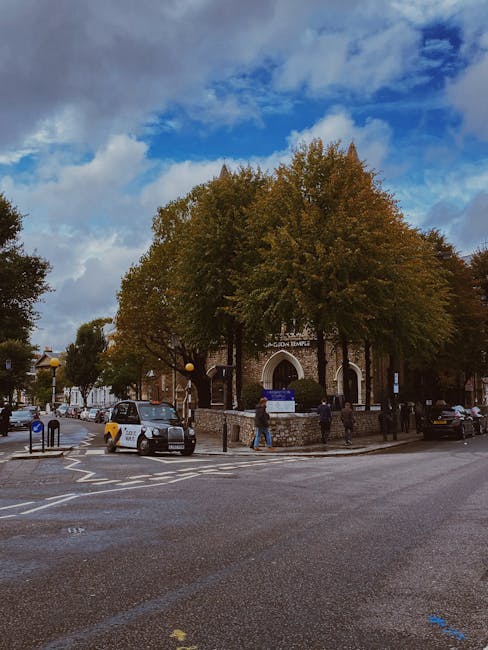
Some mistakes show up again and again in museum and gallery relocations. The biggest is underestimating the access challenge. Gloucester Road may look manageable on paper, but a van can still struggle if there is no proper waiting space, a loading restriction, or an awkward delivery point.
Another common mistake is using generic packing for specialist items. Standard boxes are fine for many things, but they are not a one-size-fits-all answer. Delicate frames, long objects, light-sensitive material, and fragile cases often need custom protection. If you skip that step to save time, you may pay for it later.
People also misjudge the schedule. A move that seems straightforward can stretch out once internal departments, building security, or conservation teams are brought in. That is not a failure. It is just the reality of the job. The mistake is failing to plan for it.
Other errors to watch for:
- not measuring doorways and lifts in advance
- failing to label crate contents clearly
- loading heavy items on top of fragile ones
- not confirming where the van can park
- assuming every item can travel in the same vehicle setup
- leaving storage decisions until the day of the move
If you need a temporary holding solution, especially during phased building work or exhibit changes, storage in South Kensington can help bridge the gap between collection release and final installation.
Tools, Resources and Recommendations
You do not need a huge toolkit to manage a museum move well, but the right materials matter. A solid starting kit usually includes archive-quality boxes, padded wraps, furniture blankets, marker pens, crate labels, trolley aids, and tie-down straps. For fragile items, foam corners, acid-free tissue, and custom crates may be needed, depending on the object.
For planning, simple tools often work best:
- an inventory spreadsheet
- a floor plan for both locations
- a colour-coded label system
- a condition check sheet
- a time plan with loading and unloading windows
It can also help to review local moving support pages that explain the service landscape. The packing and boxes guidance is useful if you are deciding which materials to use, while the removal companies in South Kensington page can help you compare service expectations more broadly.
For organisations that are balancing collections work with general operations, local knowledge matters too. The article on Kensington real estate may sound unrelated at first, but it offers a useful picture of the kinds of building constraints, property types, and movement patterns common in the area.
Law, Compliance, Standards, or Best Practice
Museum moves can involve obligations around health and safety, property access, insurance, environmental care, and data handling if archival or administrative records are included. You do not need to turn the move into a legal seminar, but you do need to treat the basics seriously. Check site risk assessments, method statements where relevant, and any building-specific rules before the day begins.
Best practice usually includes:
- clear responsibility for supervising the move
- safe manual handling procedures
- appropriate packaging for the item type
- vehicle suitability checks
- documented inventory and condition records
- communication with building management or security teams
If contractors are involved, it is sensible to review service terms, safety expectations, and complaint processes in advance. That sounds formal, but it saves hassle later. The relevant pages on terms and conditions, health and safety policy, and complaints procedure can help set expectations clearly.
For sustainability-minded institutions, it is also worth thinking about reusable materials, route efficiency, and waste reduction. The recycling and sustainability page is relevant if you want to align the move with broader environmental goals. That part is becoming a bigger concern for many organisations, and fairly so.
Options, Methods, or Comparison Table
Different museum moves call for different transport methods. Here is a simple comparison to help you weigh the options without getting lost in jargon.
| Method | Best for | Advantages | Watch-outs |
|---|---|---|---|
| Small removal van | Limited crates, nearby locations, lighter loads | Easier to park and manoeuvre; often quicker for short hops | May need multiple trips; limited space for large cases |
| Medium van with professional crew | Mixed loads, gallery fittings, moderate collections | Balanced capacity and access; good for structured local moves | Needs good loading plan to avoid wasted space |
| Larger removal vehicle | Bulk collections, heavier items, consolidated moves | Fewer journeys; useful for phased relocations | Harder access near tight streets; parking and manoeuvring matter more |
| Specialist transport with extra handling | High-value or fragile museum objects | Better protection, tailored support, reduced handling risk | More planning required; often higher cost |
If you are unsure which option fits, start with access and object sensitivity. That usually narrows things down fast. Cost matters, yes, but with museum items the cheapest option is not always the wise one. Not even close.
Case Study or Real-World Example
Imagine a small heritage collection moving from a basement store near Gloucester Road into a refurbished display room a few streets away. The load includes framed prints, archive boxes, a couple of display cabinets, and a few awkwardly sized teaching objects. On paper, it looks like a one-van job. In reality, the access route includes a narrow corridor, a lift with limited width, and a loading area shared with other building users.
The team begins by inventorying everything and colour coding the crates. Fragile items are grouped separately. The van is booked for a quieter part of the morning, when access is less congested. One crew member is assigned to sign-off checks, while another keeps the loading sequence moving. The heavier cabinets are loaded first, but not so tightly that the fragile boxes are crushed at the end. A simple mistake here would have been to bury the archive material behind the cabinets. Avoidable, but very easy to do if nobody is watching the order.
At delivery, the team unloads in reverse sequence so the most immediate items go straight to the correct room. Nothing dramatic happens. That is the point. The move feels almost boring, which is usually a very good sign. A museum relocation should not be memorable for chaos.
If your project is part of a wider relocation in the area, the house removals in South Kensington service shows how local moving support can be scaled up or down depending on the type of property and access involved.
Practical Checklist
Use this checklist before move day. It keeps things grounded when everyone else is half-running on coffee and calendar alerts.
- Confirm access times at both buildings
- Measure doors, lifts, and stairwells
- Prepare a detailed inventory
- Assign handling responsibility for fragile items
- Choose packaging suitable for the object type
- Agree the loading and unloading order
- Check the van size, equipment, and crew support
- Confirm insurance and safety arrangements
- Prepare condition check sheets
- Label crates clearly and consistently
- Plan for parking, waiting, and route delays
- Arrange storage if the new site is not ready
- Brief staff on who signs off items at each stage
Quick takeaway: if the checklist is sorted early, the move day usually feels far less dramatic. Still busy, of course. But calmer. Much calmer.
Conclusion
Gloucester Road removal van tips for museum moves are really about planning with care, not just hiring transport. When the route is tight, the items are delicate, and the timeline is fixed, the best results come from clear inventories, sensible packing, the right vehicle, and proper communication. That combination reduces handling, protects collections, and helps the whole move feel controlled rather than rushed.
Whether you are moving a single gallery room, a teaching collection, or a fuller institutional archive, the same principles hold true: measure first, label clearly, pack properly, and leave room for the real-world surprises that London loves to throw in. If you take one thing from this guide, let it be this: museum moves reward patience more than speed. Every time.
Get a free quote today and see how much you can save.
If you are ready to talk through access, timing, or specialist handling for your museum move, contact the team here to discuss the practical next step. Sometimes a five-minute conversation saves a five-hour headache.