Kensington and Chelsea council permissions for moving vans SW7
Posted on 07/07/2026
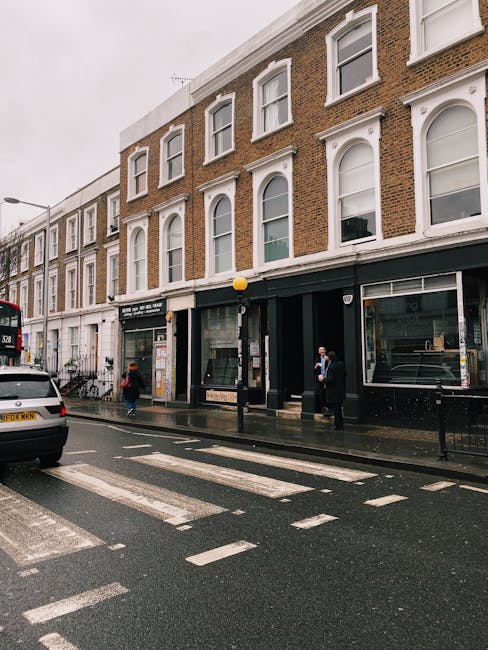
If you are moving in SW7, the paperwork can feel oddly bigger than the boxes. Kensington streets are elegant, busy, and not always forgiving to a van that turns up without the right permission or parking plan. That is why Kensington and Chelsea council permissions for moving vans SW7 matter so much: they can be the difference between a smooth move and a morning spent circling the block, checking signs, and hoping for the best. In this guide, we will walk through what the permissions usually mean, why they matter, how they tend to work in practice, and what to do before moving day arrives.
To be fair, most people do not plan a move for the joy of dealing with restrictions. They just want the sofa in, the piano protected, and the key handed back on time. Let's make the council side a lot less mysterious.
Why Kensington and Chelsea council permissions for moving vans SW7 Matters
SW7 is one of those postcodes where road space is precious. You have residential streets, controlled parking zones, estate access points, loading restrictions, visitors, delivery traffic, and the occasional narrow turn that makes a large vehicle feel even larger. A moving van that arrives without considering local permissions may not simply be inconvenient; it can disrupt the whole move.
The practical issue is simple: moving vans need somewhere lawful and workable to stop. If that stopping point is on a restricted street, in a bay with time controls, or near an access point that needs prior arrangement, you may need permission, dispensation, or a carefully timed loading plan. The exact rules can vary by location, time of day, and vehicle size, so a one-size-fits-all assumption is risky.
There is also a trust angle here. If you are using a removal company, you want to know they understand local parking reality, not just the mileage from A to B. That becomes especially relevant in dense parts of South Kensington, where a delay of 10 minutes can easily snowball into half an hour.
If you want broader context on the area and local moving patterns, the local advice on living in Kensington and the guide to Kensington real estate both help explain why access planning matters so much here.
How Kensington and Chelsea council permissions for moving vans SW7 Works
In plain English, council permissions are about making sure your van can legally load, unload, or wait near the property without causing an enforcement issue. In practice, that might involve checking whether the street has restrictions, whether a loading bay is available, whether suspension of a bay is needed, or whether the vehicle can fit within the permitted time window.
You may also need to think about:
- the size and type of van being used
- how long the loading or unloading is likely to take
- whether the property has a private forecourt, communal driveway, or estate access
- any resident-only parking controls or yellow line restrictions
- timing around school runs, rush hour, or busy high street periods
The main thing to understand is that the van itself is only one part of the equation. The street is the other part. And in SW7, the street often decides the day.
A lot of moves in the area are also affected by building type. Flats, mansion blocks, converted houses, and estates can all have different access patterns. If that sounds familiar, the practical advice in the tight access removals guide is worth reading because it reflects the sort of constraints people meet every week, not just in theory.
Sometimes the best solution is not a big vehicle at all. A smaller man with a van arrangement can be easier to position in constrained streets, while a full-size removal van may be better for larger households with straightforward access. Different jobs, different trade-offs. Simple, really, though not always simple in the moment.
Key Benefits and Practical Advantages
Getting the permissions and parking plan right brings benefits that go well beyond avoiding a ticket. The biggest advantages are practical, emotional, and financial all at once.
- Fewer delays: the crew can start loading or unloading without a scramble for space.
- Lower risk of enforcement problems: you reduce the chance of penalties, complaints, or last-minute relocation.
- Smoother access for bulky items: this matters a lot for wardrobes, beds, and delicate pieces like pianos.
- Better coordination with building staff: porters, concierges, and estate managers usually appreciate advance notice.
- Less stress on moving day: and honestly, that is a huge win.
There is a quieter benefit too. Good permission planning tends to make the whole move feel more professional. The van arrives, the team knows where to stop, and everything moves in a steady rhythm rather than a panicked rush. You notice it especially when the first box comes out and the hallway is already busy. No one wants that awkward shuffle of people carrying furniture while a driver keeps glancing at the clock.
If your move includes furniture handling, it can also be useful to review the approach to furniture removals in South Kensington, especially if you are dealing with awkward stairwells or fragile pieces.
Who This Is For and When It Makes Sense
This topic matters for more people than you might think. It is not only for households with a huge house move. In SW7, even a small job can be affected by street control and access rules.
You should be thinking about permissions if you are:
- moving into or out of a flat with limited street access
- using a van on a restricted road or within a controlled parking zone
- organising a same-day move where timing is tight
- moving office equipment or commercial stock
- transporting bulky furniture, instruments, or fragile items
- working to a building manager's time window or lift booking slot
It is especially relevant for apartment moves, because the loading point is rarely right beside the front door. You may need a short carry from the vehicle, and that distance can double if the van has to park legally a little further away. If you are relocating from or to a flat, a dedicated flat removals service can be a better fit than a generic van booking.
Students, renters, and first-time movers often underestimate this. That is fair enough. The fun part of moving is never the parking. The parking is the bit nobody puts on the Instagram story.
Step-by-Step Guidance
If you want the cleanest route through Kensington and Chelsea council permissions for moving vans SW7, use a simple process. Don't overcomplicate it, but do check the details early.
- Confirm your move date and time window. The exact hour matters more than people expect.
- Check the property access. Look for loading space, estate rules, lift bookings, and any front-of-building restrictions.
- Identify the van size. A smaller vehicle may fit where a larger one cannot.
- Review the street conditions. Yellow lines, bays, resident parking, and loading-only restrictions all change the plan.
- Ask whether a permission or suspension is needed. If the chosen spot is restricted, this is the point where council involvement may be required.
- Build in time for setup. A move that looks like two hours on paper can become three once stairs, lifts, and traffic get involved.
- Share the access notes with the removal team. Good movers need the real picture, not the optimistic version.
- Keep a backup plan. If the first stopping point fails, know the next closest legal option.
A small but useful habit: walk the route the day before, if you can. You will spot things on foot that you miss in a quick glance from the car. Low branches. Tight corners. A bay occupied by a delivery van. The sort of thing that ruins a perfect plan in about twelve seconds.
For move planning more broadly, the services overview and pricing and quotes pages can help you compare the kind of support you may need, while removal services in South Kensington give a wider sense of what a full service can include.
Expert Tips for Better Results
Here is where experience pays off. These are the little things that often separate a calm move from a messy one.
- Book earlier than feels necessary. In tight London streets, the best time slots disappear quickly.
- Use the smallest vehicle that still makes sense. Oversizing the van can create avoidable access issues.
- Flag fragile or awkward items upfront. Pianos, mirrors, and large furniture need more than generic handling.
- Match the vehicle to the street. A lane with poor turning space is not the place to discover your van is too long.
- Tell the movers about lift restrictions. If the lift is tiny or booked for another resident, that changes labour time.
- Leave a buffer for traffic and enforcement checks. SW7 can look calm and still slow you down.
One thing we see a lot is the assumption that "it will be fine for ten minutes." Sometimes it is. Sometimes the bay is already full, the driver has to circle, and the whole chain breaks. Better to plan for the imperfect version from the outset. Much less drama.
If your move involves specialist items, a page like piano removals may be useful because it reflects the extra care and access planning that fragile, heavy objects need.
Common Mistakes to Avoid
Most moving-day problems in SW7 are not mysterious. They come from a handful of predictable mistakes.
- Assuming parking will be available on arrival. In busy streets, it often is not.
- Forgetting about building rules. Some blocks need lift bookings, porter approval, or access timing.
- Choosing a van that is too large. Bigger is not always better in Kensington.
- Leaving permissions until the last minute. This can force a compromise or a delay.
- Not sharing the full address detail. Estate entrances and rear access points matter.
- Ignoring moving-hour restrictions. Early morning and late evening plans can be a problem if not checked carefully.
There is also the classic mistake of not reading the fine print with the removal provider. It sounds dull, but the small details matter. If you want to understand how service terms and expectations are typically handled, the terms and conditions page is a sensible reference point.
And if you are comparing providers, it helps to review removal companies in South Kensington with access planning in mind, not just headline price.
Tools, Resources and Recommendations
You do not need a giant toolkit to manage this well. In fact, a few simple items and habits go a long way.
- a printed or saved copy of your move schedule
- clear access notes for the driver and movers
- photos of the street, bay, or entrance if you have them
- a contact name for the building manager or concierge
- labels for rooms and priority boxes
- packaging supplies that match the fragility of the items
On the packing side, do not underestimate the value of decent materials. A wobbly box and a tight staircase are not friends. The packing and boxes guidance can help you think through what needs extra protection before the van even arrives.
If you need storage between move-out and move-in, that is worth arranging early too. Sometimes the council permission part is fine, but the property handover timing is not. In that case, a short-term storage plan can save the day, and the storage in South Kensington option may be a practical bridge.
For household moves that need a broader service, the house removals page is useful, while smaller or more flexible jobs may suit a man and van approach instead.
Law, Compliance, Standards, or Best Practice
This is one of those areas where it is best to stay careful and practical. Local parking and loading arrangements are subject to council controls, street signage, and on-the-day enforcement. The exact permission needed depends on the street, the vehicle, the duration, and the nature of the stop. Because of that, it is wise not to rely on guesswork.
As a rule of thumb, good practice means:
- checking restrictions before the move, not during it
- using lawful loading and unloading points only
- allowing enough time for the work to be carried out safely
- keeping clear communication between resident, driver, and building staff
- avoiding obstruction of pavements, crossings, or entrances
In UK removals work, safety and care are not optional extras. They are part of the job. A provider should be able to explain how they handle access, loading, and item protection in a way that feels straightforward. If you want a sense of the company's standards and responsibilities, the health and safety policy, insurance and safety, and about us pages are worth a look.
There is no need for legal drama here, honestly. Just sensible planning, sensible parking, and no heroic last-minute improvising.
Options, Methods, or Comparison Table
Different moving setups suit different access conditions. Here is a simple comparison to help you think clearly before booking.
| Option | Best for | Strengths | Possible drawback |
|---|---|---|---|
| Man and van | Smaller moves, flexible timing, tighter streets | Easier to position, usually more adaptable | May need multiple trips for larger loads |
| Removal van | Medium to larger household moves | More capacity, efficient for larger inventories | Can be harder to fit in narrow or restricted streets |
| Full removals team | Family homes, complex access, bulky furniture | More hands, better for stairs and heavy items | Needs more detailed planning and coordination |
| Same-day service | Urgent moves, short notice changes | Fast response, good for time-sensitive situations | Less room for flexibility if permissions are not ready |
If you are unsure which route fits your move, compare the job size against access difficulty. A small flat with tricky parking can be more demanding than a larger home with a private drive. That is the odd little truth of London moves.
For urgent jobs, the same day removals page and the same-day delay and solution guide are especially relevant.
Case Study or Real-World Example
Imagine a couple moving from a second-floor flat near a busy SW7 street into a larger property a few roads away. On paper, the move looks straightforward: a few large pieces, several boxes, and a narrow time window before keys are returned. The complication is access. The destination street has limited stopping space, and the building itself sits behind a line of parked cars and resident bays.
They first think they can just "pull up quickly." But after a quick walk-through, they realise that would be wishful thinking. The better plan is to use a smaller van, schedule the loading for a quieter part of the day, and brief the movers on the tight approach before arrival. They also prepare the boxes by room, keep the stairwell clear, and make sure both properties know the timing.
What happened? Not magic. Just preparation. The van got in, loading took place without a panic, and the team did not have to keep shuffling the vehicle around the block. No drama, no angry neighbour at the window, no frantic phone call. A very normal move, which is actually what most people want.
This kind of planning matters even more for family homes or larger contents. If you are dealing with a full property change, browsing a broader removals South Kensington service can help you picture the support level needed from start to finish.
Practical Checklist
Use this checklist before moving day. It is simple, but it catches the details people often miss.
- Confirm the exact moving date and start time
- Check whether the street has parking or loading restrictions
- Ask if any permission, dispensation, or bay arrangement is needed
- Measure the access route, including stairs, lifts, and turns
- Tell the removals team about fragile or awkward items
- Prepare a backup parking or stopping plan
- Notify the building manager, concierge, or estate office if relevant
- Pack and label boxes clearly
- Keep keys, documents, and essentials separate
- Share mobile numbers so the driver can reach you quickly
Quick takeaway: if the street is tight, the building is busy, or the move is time-sensitive, get the access and permissions sorted early. That one decision can save you a surprising amount of stress.
For readers who are also trying to make sense of the local area before or after a move, the articles on South Kensington removals around Queens Gate, Gloucester Road removal van tips, and Old Brompton Road estate moves are useful companions.
Conclusion
Kensington and Chelsea council permissions for moving vans SW7 are not just an admin detail. They shape how your move starts, how long it takes, and whether the day feels controlled or chaotic. In an area where access is often tight and parking can be unforgiving, a little preparation pays off quickly.
The safest approach is usually the simplest one: check the street conditions early, match the vehicle to the access, allow proper time, and brief everyone involved. Once that is in place, the rest of the move becomes much easier to manage. And that is the real goal, isn't it? Not perfection. Just a move that gets done properly, with as little fuss as possible.
For a broader view of local service options, you can also explore the company's removal services and pricing and quotes information when you are planning the next step.
Get a free quote today and see how much you can save.