What to know about tight access removals South Kensington
Posted on 05/06/2026
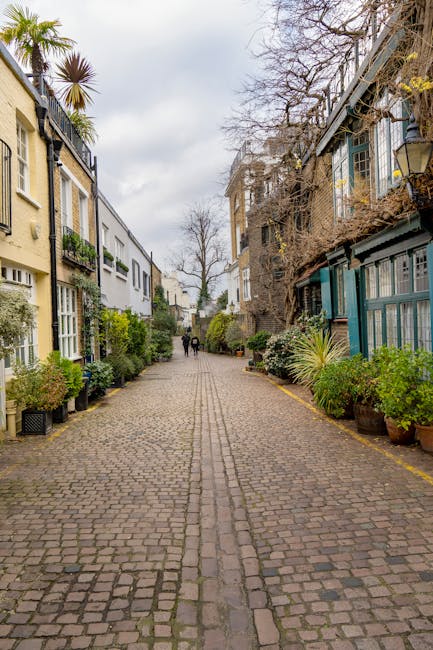
Moving in South Kensington can feel straightforward on paper, then suddenly a narrow staircase, a basement flat, or a loading bay that is two streets away changes everything. That is exactly why tight access removals South Kensington need a different kind of planning. You are not just moving boxes; you are solving a puzzle with furniture, timings, neighbours, and the occasional awkward corner.
Whether you are leaving a period conversion, moving into a mansion block, or shifting a few heavy pieces through a shared entrance, the practical details matter. This guide explains what tight access means, how removals are handled in these conditions, what to expect on the day, and how to avoid the mistakes that usually make the job harder than it needs to be. If you want a broader picture of the moving service options available, it can help to look at the wider services overview or the more general removals in South Kensington service pages first.
Why tight access removals matter in South Kensington
South Kensington has a lot going for it: elegant streets, attractive flats, converted townhouses, and well-kept estates. The flip side is access. Many homes here were not designed for modern large-item moving, and let's face it, a sofa that seemed perfectly normal in the showroom can become a minor villain on a top-floor landing.
Tight access affects more than just how a team carries furniture. It changes the entire move plan. It can influence vehicle choice, parking strategy, how much packing needs to be broken down in advance, and even the time of day the move should happen. If the access is poor, a simple move can quickly become slow, noisy, and stressful for everyone involved.
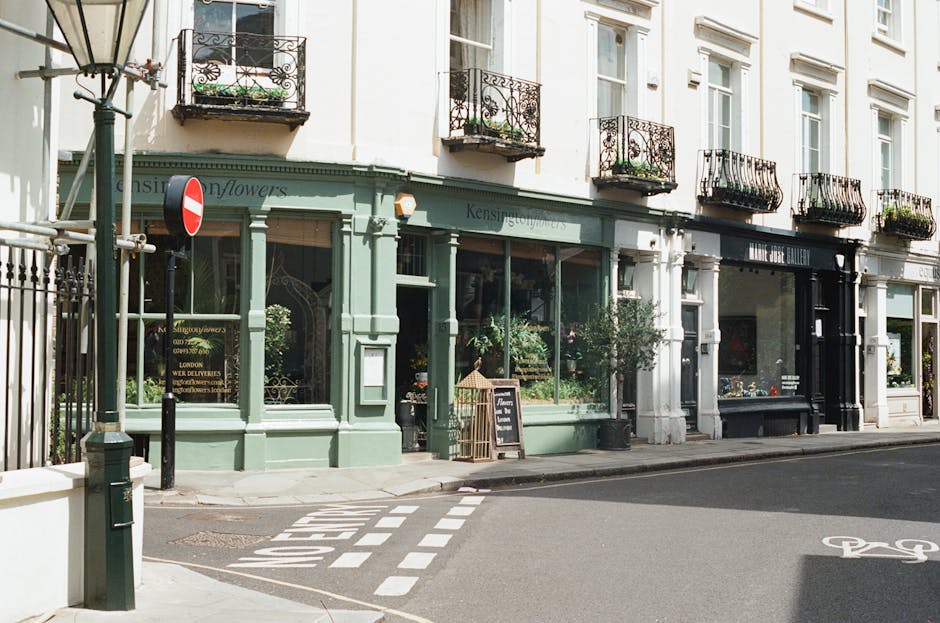
This matters even more in a busy local setting. In areas around old Brompton Road, Gloucester Road, and Queens Gate, the combination of traffic, estate layouts, and limited stopping space means you want the move to be coordinated, not improvised. If you are researching the local area itself, the article on living in Kensington with local advice is a useful companion read.
Key takeaway: the tighter the access, the more the move depends on planning, not muscle. Good removals in South Kensington are usually won before the van even arrives.
How tight access removals work
A tight access move is one where the normal route in or out is restricted. That might mean narrow staircases, very limited lift space, awkward corners, low ceilings, basement steps, long internal walks from the van, or restricted parking close to the property. In some flats, the front door may not be the hardest part. The real challenge is the hallway turn halfway down the stairs.
Here is how the process usually works in practice:
- Access is assessed early. The mover asks questions about stairs, lifts, doorway widths, parking, and any items that are particularly bulky or fragile.
- A route is planned. The team decides whether items can be carried out safely, dismantled, wrapped differently, or moved using specialist handling methods.
- The right vehicle and crew are assigned. Not every move needs a large lorry. In tight streets, a smaller vehicle or a more flexible option can be better.
- Packing is adjusted. Items may need extra protection, lighter boxes, or partial dismantling before moving day.
- Move day is staged carefully. The order of loading matters. Heavy, awkward, or fragile pieces are handled first so the whole job does not bottleneck later.
It sounds simple written down, but on the ground there are dozens of small calls to make. Do you send the wardrobe down first or the bed base? Do you wrap the marble tabletop before the team starts carrying? Can the fridge fit the lift at all, or is it stairs only? These are the kinds of questions that separate a smooth move from a miserable one.
In the local area, you may also need to think about nearby traffic and loading conditions. A well-organised crew will usually factor in things like the width of the road, the distance between the vehicle and entrance, and whether a quick shuttle run is better than trying to park as close as possible.
Key benefits and practical advantages
There is a reason people look for experienced movers when access is awkward. The right approach saves time, reduces damage risk, and makes the move feel much less chaotic. The benefits are practical, not glamorous, but very real.
- Less damage to furniture and walls. Tight corners are exactly where scuffs happen. Extra protection and correct handling reduce that risk.
- Better use of time. A team that plans around access does not waste half the day trying to figure out how to get a sofa around a turn.
- More suitable vehicle choice. In South Kensington, size matters. A compact or mid-size van may be more realistic than a large vehicle on a cramped street.
- Reduced strain on you. You should not be the one improvising lifting angles or rewrapping items at the last second. That gets old fast.
- Cleaner, calmer move day. People underestimate this. Fewer surprises means fewer arguments, less sweat, less noise. Everyone breathes a bit easier.
There is also a commercial benefit if you are selling or letting a property. A well-run move helps you hand over the property tidily and on time, which is especially useful when deadlines are already tight. If that is part of your situation, the local piece on selling properties in Kensington adds some useful context.
Who this is for and when it makes sense
Tight access removals are not only for awkward old buildings. They can apply to all sorts of moves in South Kensington.
- Flat moves in mansion blocks or conversions. Shared entrances, narrow stairs, and strict building layouts often make access tighter than expected.
- House removals with basement or top-floor rooms. Some items need to travel through the least convenient route in the property.
- Students or sharers moving into furnished rooms. A smaller-scale move can still be fiddly if the access is cramped.
- Office moves in older buildings. Laptops are easy. Filing cabinets, desks, and chairs are not always so cooperative.
- Single-item or furniture-only moves. One sofa, one piano, one wardrobe. These are the jobs that often sound simple and then turn out to be anything but.
If you are moving a delicate or oversized piece, specialist handling can help. For example, a piano or large cabinet often needs much more care than standard household furniture. In those cases, looking at piano removals in South Kensington or furniture removals in South Kensington can be a sensible next step.
To be fair, not every move needs a big production. But if there is a tight hallway, a flight of stairs, and a bulky sofa all in one place, that is the moment to stop pretending it will somehow sort itself out.
Step-by-step guidance
If you want a tight access move to go well, the work starts before move day. Here is a practical way to handle it.
1. Measure the difficult bits properly
Do not just measure the rooms. Measure door widths, stair turns, ceiling heights, lift dimensions, and the narrowest points along the route. If you only measure the bedroom, you may discover too late that the wardrobe will not make the corner outside it.
2. Identify problem items early
List anything awkward: wardrobes, mattresses, sofas, glass tables, bikes, mirrors, and heavy appliances. These items often decide the whole move strategy. In some cases, dismantling is the smart move. In others, proper wrapping and two-person handling are enough.
3. Plan parking and building access
In South Kensington, parking and stopping space can be a major factor. Even if the property itself is accessible, the van may not be able to sit right outside the door. That means the team needs a clear idea of walking distance, building entrance rules, and any loading constraints.
4. Pack with the route in mind
Small, heavy boxes are usually better than a few overfilled monsters. A box that is too heavy becomes much harder to carry through a narrow stairwell. It is also more likely to be dropped, and that is not the kind of excitement anyone wants.
5. Keep a clear path inside the property
Try not to leave bags, shoes, recycling, prams, or spare furniture in the way. It sounds obvious, but the last five metres are where tight access moves often get slowed down. The cleaner the route, the smoother the handover.
6. Confirm the timing and any building rules
Some estates or managed blocks have timing windows, lift reservations, or noise expectations. If you are unsure, ask early. No one enjoys finding out at 8:15 in the morning that the lift is booked by somebody else until lunch.
If you are comparing moving styles, it may also help to look at man and van services in South Kensington or a dedicated removal van in South Kensington depending on the size and complexity of the move.
Expert tips for better results
These are the practical details that make a noticeable difference.
- Photograph awkward access points. A quick photo of the staircase, entrance, or lift can help the mover anticipate the challenge far better than a vague description.
- Use proper wrapping, not just blankets. A tight corner or rough wall surface can catch unprotected edges. Extra wrap is worth it.
- Break down furniture where possible. A table leg removed in five minutes can save thirty minutes of wrestling later.
- Keep essential items separate. Don't bury keys, medication, chargers, or documents in the middle of the load.
- Allow extra time. Tight access moves are rarely fastest. Build in margin. That bit of slack is often what keeps the day calm.
- Communicate one clear point of contact. On busy move days, too many voices can create confusion. One lead contact tends to work best.
A small but useful tip: if you are moving from a flat with a long internal corridor, tape open doors where safe and permitted. It avoids constant stop-start movement and helps the team keep momentum. Little things, but they add up.
If you are moving with limited time, the local option for same-day removals in South Kensington can sometimes be useful, although tight access still needs careful planning even when the timeline is short.
Common mistakes to avoid
Most problems with tight access moves come from assumptions. Usually harmless assumptions, but still assumptions.
- Assuming everything will fit. Furniture often looks smaller in a room than it is on a staircase.
- Underestimating parking distance. A "quick carry" can turn into a long walk if stopping space is limited.
- Leaving packing too late. Tight access moves leave less room for improvisation. Half-packed rooms create bottlenecks.
- Forgetting building permissions. Managed buildings may require notice, lift booking, or route planning.
- Overfilling boxes. Heavy boxes are awkward in narrow spaces and are more likely to fail at the worst moment.
- Not sharing the awkward details. If there is a low wall, a narrow landing, or a tricky second-floor turn, say so early.
One more thing. People often focus on the van and forget the route inside the property. But the van is only half the story. If the hallway is the real problem, that is where the plan needs to start.
Tools, resources and recommendations
You do not need specialist gear for every move, but the right tools help a lot when access is tight.
| Tool or resource | Why it helps | Best use case |
|---|---|---|
| Furniture blankets and wrap | Protects edges, corners, and surfaces in narrow spaces | Sofas, tables, cabinets, mirrors |
| Strong tape and labels | Keeps boxes closed and helps with quick identification | Any move with multiple rooms or floors |
| Disassembly tools | Helps reduce size and simplify awkward manoeuvres | Wardrobes, bed frames, large desks |
| Measured floor plan or room sketch | Helps plan route, placement, and loading order | Properties with complicated layouts |
| Temporary storage | Useful if the new home is not ready or access is delayed | Phased moves or renovation gaps |
For people who need extra breathing room between properties, short-term storage can be a practical bridge. The page on storage in South Kensington is worth a look if your move-in and move-out dates do not line up neatly.
On the packing side, using good-quality cartons and the right materials makes a bigger difference than people expect. The local guide for packing and boxes in South Kensington is helpful if you are still deciding what to buy and what to leave to chance. Spoiler: leaving it to chance is rarely the winning strategy.
Law, compliance, standards, or best practice
With removals, compliance is usually less about drama and more about sensible, careful practice. In South Kensington, that means respecting building rules, parking restrictions, and the general duty to move safely and without causing avoidable disruption.
Good practice normally includes:
- Safe lifting and handling. Items should be carried in a way that protects both people and property.
- Clear communication. Everyone involved should know the plan, especially if there are stairs or long carries.
- Appropriate insurance awareness. It is sensible to understand what cover is in place before the move.
- Respect for buildings and neighbours. Shared entrances, common parts, and quiet hours matter in residential blocks.
- Data and payment care. If you are making bookings or paying deposits, use secure processes and keep records safely.
If you want reassurance on this side of the service, the pages on insurance and safety, health and safety policy, and payment and security are useful reading. They are the sort of pages people often skip until they need them, which is a bit like reading the fire instructions after the toast has already burnt.
For service expectations and terms, it is also sensible to review the terms and conditions. That way you know what is included, what is expected of you, and how the process is handled if plans change.
Options, methods, or comparison table
There is no single "best" method for every tight access move. The right choice depends on item size, floor level, parking, timing, and how much help you want on the day.
| Method | Best for | Pros | Trade-offs |
|---|---|---|---|
| Man and van | Smaller moves, single items, flexible schedules | Flexible, usually easier on tight streets | May not suit large loads or highly complex access |
| Dedicated removal van | Medium-size moves with more structure | Better planning, more capacity | May need more parking space and timing coordination |
| Full removals service | Households with multiple rooms or awkward furniture | More support, better handling for complex moves | Can cost more than lighter options |
| Storage-first move | Delayed handover or staged relocations | Less pressure on the moving day itself | Requires extra planning and separate handling |
If your move is especially light, a man with a van in South Kensington may be enough. If you are moving a whole property, then a more structured house removals service in South Kensington is usually the more practical route. For flats, the dedicated flat removals page can help you judge fit more accurately.
Case study or real-world example
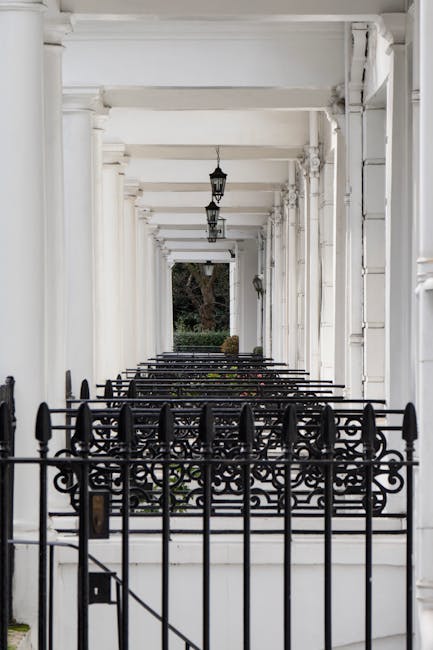
Here is a realistic example. Imagine a couple moving out of a second-floor flat in South Kensington. The hallway is narrow, the staircase turns sharply at the midpoint, and the sofa has a fixed arm that looks just a little too proud of itself.
Instead of waiting until the day to discover the problem, they send photos of the staircase, measure the sofa, and confirm that the building's entrance is only usable for a short loading window. The moving team arrives with a plan: smaller boxes are loaded first, the sofa is wrapped before movement begins, and the largest items are carried when the route is clear. One wardrobe is dismantled. A table leg is removed. No one is rushing, and nobody is standing in the stairwell muttering under their breath.
It is not a dramatic story, which is kind of the point. A good tight access move should feel fairly uneventful. There may be a few carefully taken breaths, one or two sideways manoeuvres, and perhaps a very British "right, this should do it." But the day ends with everything intact and the property left tidy.
For people moving around the local streets, it can also help to read the area-specific guides such as the South Kensington removals guide for Queens Gate SW7, Gloucester Road removal van tips, and Old Brompton Road removals advice. Those pieces add local texture that can genuinely help with planning.
Practical checklist
Use this before moving day. It is simple, but it catches most avoidable problems.
- Measure the widest and narrowest points on the access route.
- Check whether the lift is usable for large items.
- Confirm stairwell turns, ceiling height, and entrance width.
- Identify bulky items that may need dismantling.
- Take photos of any awkward areas and send them to the mover.
- Confirm parking, loading space, and arrival time.
- Ask about building rules, timing windows, or lift bookings.
- Pack heavy items into smaller boxes where possible.
- Keep essentials separate and easy to reach.
- Review insurance, terms, and payment details in advance.
- Leave internal routes clear of clutter on move day.
- Allow extra time for the move, especially if access is genuinely tight.
If you are still comparing providers, you may also want to review removal companies in South Kensington so you can judge which service style feels right for your property and timeline.
Get a free quote today and see how much you can save.
Conclusion
Tight access removals in South Kensington are all about preparation, honesty, and sensible handling. If the route is awkward, the parking is limited, or the furniture is bulky, you need a plan that matches the property rather than hoping the property will cooperate. It rarely does, to be fair.
The good news is that with careful measurements, the right packing approach, and a mover who understands local access issues, even a difficult move can run smoothly. The goal is not just to get everything from A to B. It is to do it safely, without damage, and without turning moving day into a long afternoon of improvisation.
If you are planning a move in the area, starting early and asking the right questions will save you a lot of stress later. Small decisions make a big difference here, and a calm move is still possible, even in a tight staircase on a busy South Kensington street.


